

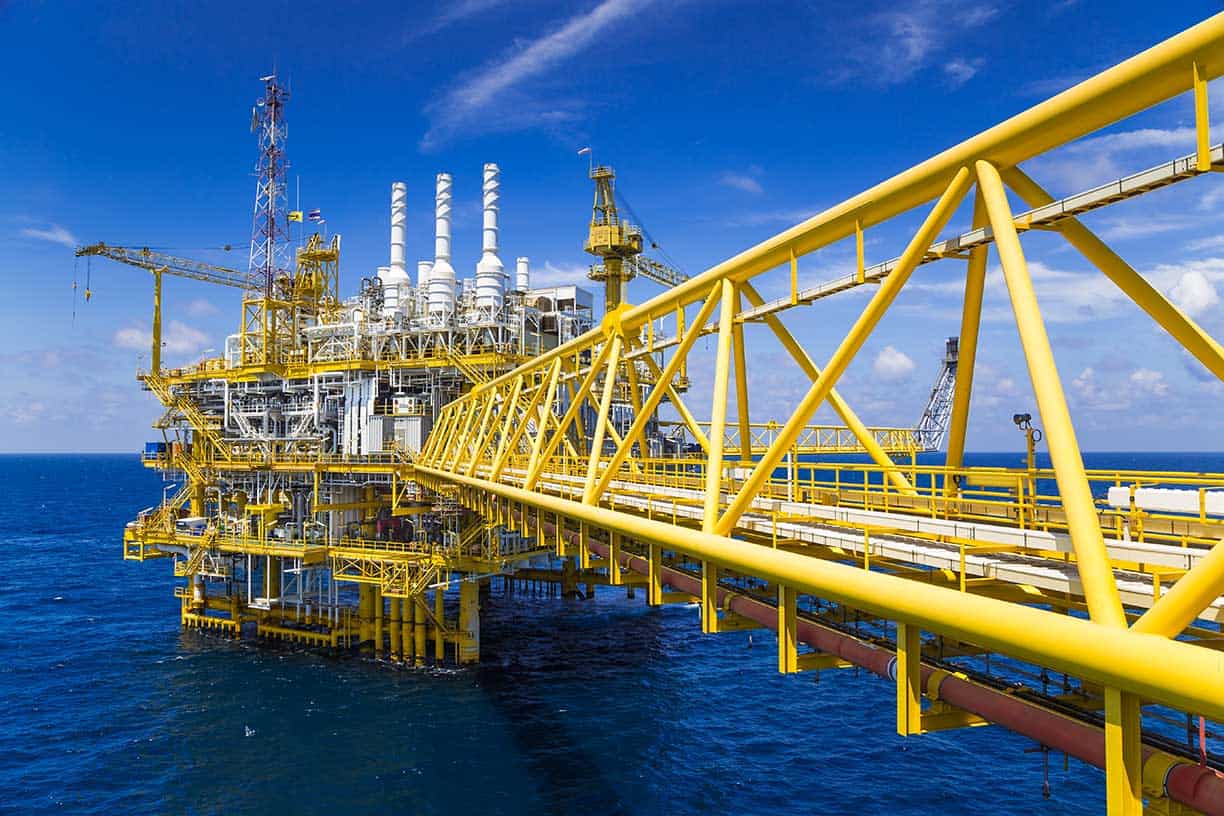
How surface maintenance and repair can extend the useful life of steel structures.
With steel prices on the rise, there is an increasing focus on maintenance and repair rather than replacement of steel structures such as bridges, tanks, pipelines, offshore rigs, etc. Left unattended, rust eats away at the surface, accelerating the degradation process. Removing rust in its early stages can halt its progression and prevent irreversible damage.
Rust repair starts with proper surface preparation of the substrate. Removal of dirt, oil, rusts, peeling paint and other contamination is essential. If the surface profile or anchor pattern is inadequate (as determined by the coating manufacturer), the new coating will not adhere properly. Inconsistent abrasive grading (particle size distribution) results in rogue peaks and valleys in the anchor pattern, which can lead to out-of-spec (nonconforming) coating thickness and the risk of premature coatings failure. Some lower-quality abrasives can contain higher-than-acceptable levels of chlorides and other salts. These residues are often left behind on the substrate, which leads to a condition called osmotic blistering. The result is corrosion under the coating and premature coating failure. BARTON garnet produces a super clean surface finish with a uniform profile that is virtually free of particle embedment. It contains low levels of chlorides and other salts.
When measured by the cost per square foot cleaned, BARTON garnet is more economical than other abrasives. Garnet is heavier and harder than ordinary abrasives like coal slag, crushed glass and staurolite. Because of this, garnet produces lower levels of dust and increases productivity — all while using less abrasive. Garnet saves time, and time is money.
Garnet is safer and more environmentally friendly than many other blasting abrasives. BARTON garnet contains no heavy metals and has been rigorously tested and proven to conform to the OSHA standard for respirable crystalline silica of <0.1%.